This instruction is based on the experience of Kaspi.kz sellers who work with wholesale from China. Here you will find real 2026 numbers, practical checklists and solutions for the categories most often searched for: Carters wholesale from China, branded bags wholesale from China, brooches wholesale from China, women's bags wholesale from China, copies of branded bags wholesale from China and even copies of watches wholesale from China. I explain where to source them, how to calculate cost price, what documents to prepare, what customs risks exist and how to deliver a shipment to Kazakhstan with minimal losses.
1. Popular categories of wholesale goods from China in 2026
Over the past three years (2023–2026) demand in Kazakhstan has grown for several product groups in wholesale for resale on marketplaces and retail through showrooms:
- Women's bags — steady turnover thanks to seasonal collections and network retail. Queries like «женские сумки оптом из китая» and «купить оптом сумки из китая» remain top search terms among sellers.
- Branded bags and their imitations — «брендовые сумки оптом из китая» and «копии брендовых сумок оптом китая» attract margin but carry legal risks.
- Accessories: brooches, bag fittings — low cost price, fast turnover. The query «броши оптом из китая» is active in niche groups.
- Children's clothing and brands like Carters — «carters оптом из китая» — there is demand, but working with a brand without direct agreements is risky.
- Watches and replicas — «копии часов оптом из китая» generate high demand but almost always cause conflicts with the marketplace and customs.
If your focus is Kaspi.kz, pay attention to categories where Kaspi shows high CTR and low bounce rate (data from internal seller research 2025–2026). I recommend reading materials on niche selection: What to sell on Kaspi and on choosing suppliers: How to pick and order goods from China.
ya-dlya-uspeshnoj-pereprodazhi-na-kaspi/">Products from China for Kaspi.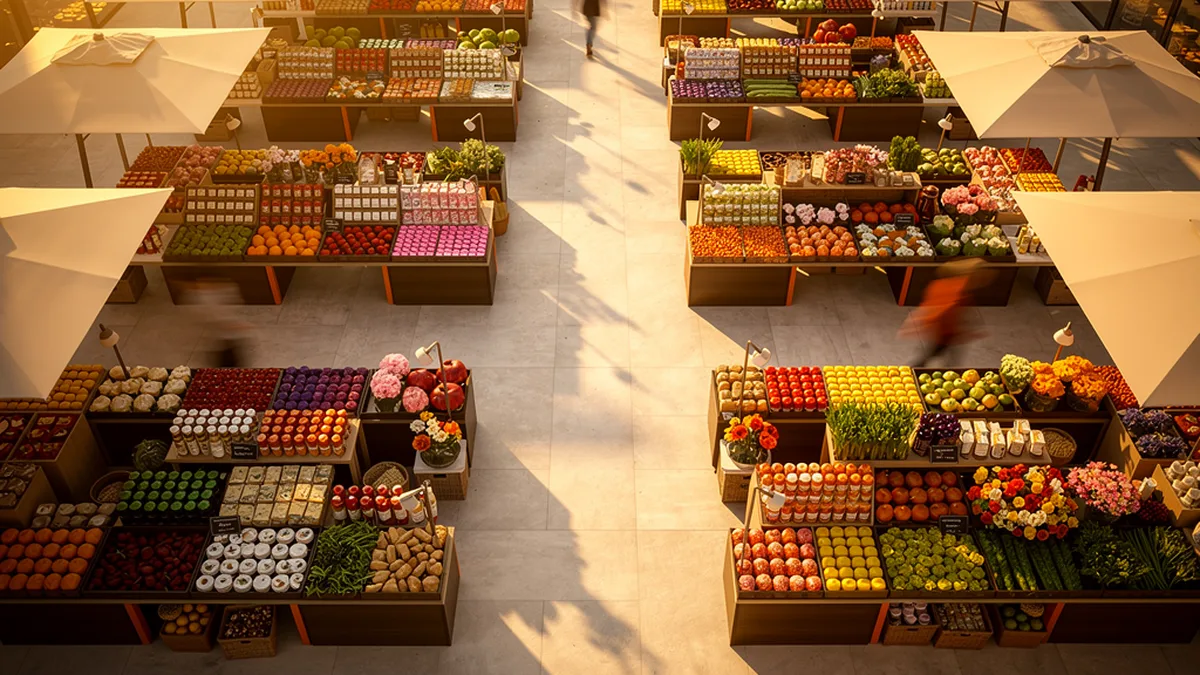
2. Sources and suppliers in China: where to look and how to vet them
The main channels to find wholesale suppliers in 2026 are B2B platforms, direct factories and agents in China. I group them by level of risk and cost:
- Wholesale platforms (Alibaba, 1688, Made-in-China)
- Pros: wide selection, easy to request price and MOQ.
- Cons: many intermediaries and “virtual factories.” 1688 is cost-effective, but you need an assistant who speaks Chinese. Procurement guide for 1688 in 2026 — AWW guide.
- Direct factories and factory showrooms
- Pros: lower price, you can agree unique design and packaging.
- Cons: MOQ is often higher, first shipments require quality checks.
- Agents and trading companies
- Good for small batches: they handle negotiations, factory checks, photo reports and delivery. Agent commission of 5–12% on factory cost is normal practice.
- Wholesale markets (Yiwu, Guangzhou)
- Good for brooches wholesale from China, small accessories and “trendy” collections. Allow picking many SKUs with low MOQ (from 10–50 pcs per position).
Checking the supplier is mandatory. Minimal checklist:
- Request company documents: business license, bank details
- Ask for photos of the production and packing process
- Order a sample and inspect materials, fittings, seams
- Check platform reviews, request contacts of other clients
- Specify return and claims (RMA) conditions in the contract
If you want to automate price and competitor monitoring, use repricing and analytics tools. In 2026 AWW helps sellers automatically update prices, collect sales and demand analytics.
3. Specifics of buying branded copies and replicas
The topic “copies of branded bags wholesale from China” and “copies of watches wholesale from China” is high-risk. The wrong approach leads to seizure of goods, fines, Kaspi account suspension and reputational losses.
Legal and marketplace risks
- Kaspi and banks (Kaspi Pay, Kaspi Red) act on rights‑holder complaints: regular brand complaints can stop sales and lead to balance write‑offs.
- Kazakhstan customs in 2024–2026 more often seized shipments where labeling clearly violated a trademark. I recommend reading customs practices: How to clear customs.
- Lawsuits are unlikely for small batches, but large import networks faced suspensions and fines of 3–7 million tenge depending on assessed trademark damage (examples from 2024–2025 in trade courts).
Practical options for working with “lookalikes”
- Avoid using original logos and branded fittings. Make “inspired” designs, change details: fittings, lining, stitching.
- Develop private labels. A small investment in a branded plate and unique packaging gives you legal protection and sells better than blatant copies.
- If you want to work with the original brand — negotiate distribution or licensing. It’s more expensive but protects you and gives access to Kaspi Brand Stores.
Example: an importer from Almaty in 2025 ordered 500 “lookalike” bags with a logo: the shipment was stopped, goods were lost, resulting in a 15% budget loss plus a fine for illegal trademark use — total loss 1.2 million tenge. If they had made a private label, the loss would have been zero and the goods would have gone on sale without blocks.

4. Customs risks and rules for Kazakhstan (2026)
Before shipping a batch it’s important to understand customs clearance procedure and associated costs. Below are standard cost items and key points.
What to prepare
- Commercial invoice and packing list
- Sales contract or proforma invoice
- Certificates of conformity if the product requires certification (for example, children’s bags and textiles)
- Invoice and waybills for accounting in 1C/tax records
- Barcode / GTIN for the product card on the marketplace — see item number and product card content
Items of customs expenses (approximate)
- Customs duty — depends on the HS code. For bags (HS 4202) the rate can be 0–5% CIF, but always check the current customs tariff.
- VAT — applied to customs value + duty. In 2026 use the current rate applied by the Tax Committee (in the article I give an example using 12% to show the calculation mechanics; verify the rate before import)
- Excise taxes — rarely applied to accessories, but may concern watches depending on mechanism and materials
- Clearance and broker fees — 30–120 USD per shipment depending on paperwork
- Port warehousing/scanning and storage fees — 10–50 USD/day if delayed
Example calculation for a batch: 500 women’s bags, CIF (Almaty) = 6,000 USD (average price 12 USD/pc), duty 5%, VAT 12% (example):
- Customs duty = 6,000 * 0.05 = 300 USD
- VAT = (6,000 + 300) * 0.12 = 756 USD
- Total customs payments = 1,056 USD + broker 100 USD = 1,156 USD
Total cost of the batch at the Almaty warehouse = 6,000 + 1,156 + inland delivery and logistics (estimated 200–500 USD) = ~7,400–7,700 USD. Per bag that is 14.8–15.4 USD. If you plan to sell on Kaspi at an average price of 25–35 USD, margin before commission is possible. But account for marketplace commission, returns and advertising.
Useful article on customs and documents — How to clear customs. For stock planning and cost accounting see the guide on inventory forecasting and on CAC.
Special risks for copies and branded goods
- If registered trademarks are indicated in documents or on packaging, customs may detain the shipment for inspection. If violation is confirmed — confiscation or return to sender.
- Have contacts of an intellectual property lawyer and request licensing documents from the supplier in advance if you work with known brands.
5. Logistics and delivery of wholesale batches: methods, lead times and costs
Transport choice depends on batch size, speed, budget and seasonality. Below are practical options with numbers and tips.
Delivery options
- Road freight
- Reliable option for small batches from border cities (Dostyk, Khorgos). Transit 5–10 days depending on load and customs.
- Cost: 0.6–1.5 USD/kg depending on distance and volume.
- Rail delivery (China‑Kazakhstan train)
- Suitable for FCL and large LCL batches. Time 12–22 days. Cheaper than air, more expensive than sea for long durations.
- Common routes via Dostyk/Alashankou. Container 20' rates from 1,200–2,500 USD depending on season.
- Sea freight + multimodal
- Better for large volumes (FCL). Sea routes to Kazakhstan are limited — multimodal solutions to Azerbaijan/Russian ports with onward delivery are often used. Time 30–50 days.
- Air express
- Fast: 3–7 days. Costly: 3–8 USD/kg and up. Suitable for urgent small batches and samples.
- Express couriers (DHL, FedEx)
- Ideal for samples and documents, but expensive for wholesale. In 2026 many sellers combine: samples by DHL, main batch by rail.
Choosing between FBO and FBS on Kaspi
If you sell on Kaspi, decide whether to keep stock and ship orders yourself (FBS) or send to Kaspi fulfilment (FBO/Fulfillment by Kaspi). See FBS and FBO Kaspi.
- FBO is convenient for scaling: Kaspi handles storage and delivery, but the commission is higher and correct labeling is required.
- FBS suits if you have your own showrooms or hold stock near sales cities — lower commission, but you’re responsible for delivery and returns.
Practical packing and labeling tips
- Pack 5–10 pcs per box, use clear nomenclature on the packing list (SKU, color, size). See product packaging (AWW glossary).
- Barcodes and GTIN: Kaspi requires unique codes when uploading the catalog. Without them a card may not pass moderation — read about SKUs and about the product card.
- Photography: at least 5 quality photos + size infographics. Saves time on returns and reduces return rates. Photo guide — Product photography.
6. How to calculate cost price and target sale price
Step-by-step calculation is key to profitable importing. Here’s the template I use myself:
- Factory price (FOB) + packaging and labeling = purchase cost
- + transport to port/warehouse (FOB→CIF) = cost at the Kazakhstan warehouse
- + customs payments (duty, VAT) + broker = finished cost price
- + internal expenses (marketing, photos, AWR tools, depreciation) = full cost price
- Then add your margin and account for Kaspi commission (~5–15% depending on category and placement) and advertising budget (CPC/CPA). More on commission and advertising — Kaspi Marketing.
Example: FOB 8 USD, delivery, customs and inland logistics add 7 USD, Kaspi commission and returns 15% of retail price, advertising budget 2 USD/pc. To be profitable at a sale price of 28 USD — the margin will be acceptable. This is a simplified example; in reality consider seasonality and sales forecasting (guide).
7. How to minimize returns and improve card conversion
- Check the size chart and add detailed infographics; an incorrect size chart is the main driver of returns in the bags category.
- Use high-quality photos and videos, including photos with a model holding the item and close-ups of fittings. Materials matter: people judge from pictures whether it’s leather or eco‑leather.
- Work with reviews: respond quickly to negatives, offer replacement or compensation. See the reviews guide: Reviews on Kaspi.
- Test cards with A/B tests — A/B testing of cards helps increase CTR and conversion.
8. Action order: checklist before the first shipment
- Define SKUs and MOQ per position. For bags MOQ is often economical at 200–500 pcs, for brooches and accessories — 500–2,000 pcs.
- Do a trial sample purchase: 3–5 samples per SKU, assess quality.
- Agree on packaging, barcodes and instructions in Russian.
- Calculate full cost of the batch and margin under pricing scenarios (conservative / aggressive).
- Choose transport and broker. Sign a contract with the broker to speed up customs.
- Upload product cards to Kaspi with full content (photos, sizes, SKUs) — see the product card guide.
- Run a small ad campaign and monitor CTR/CR — follow metrics from sales analytics.
9. Case studies and real numbers from practice 2024–2026
Case 1. Branded “lookalike” bags, Almaty, 2025
- Order: 800 pcs, FOB 10 USD/pc
- Delivery: 20' rail container, total delivery and customs expenses: 2,400 USD
- Final cost: 10 + 3 = 13 USD/pc (including all fees)
- Sales on Kaspi: average price 30 USD, commission and advertising took ~20% of revenue
- Net margin: 30% after all expenses
Case 2. Brooches wholesale from China, Nur‑Sultan, 2024
- MOQ: 2,000 pcs, FOB 0.6 USD/pc
- Logistics: LCL container, delivery + customs — 800 USD
- Full cost: ~0.9 USD/pc
- Marketplace price: 3.5–5 USD/pc, high margin, fast turnover
Both cases showed: a small investment in photo content and correct product card reduces returns by 25–40%.
10. IT tools and automation — what to take on board
- Repricer for dynamic pricing — helps win the Buy Box during price wars. Read repricing glossary.
- Inventory management and forecasting system — key to minimizing stock turnover (guide).
- AWW as an automation tool: repricer, sales analytics and pre-order features save work time and reduce manual errors.
- CRM for working with wholesale clients and showrooms, integration with Kaspi‑JSON API — see marketplace API.
11. Conclusion: key things to remember when importing wholesale from China in 2026
Summarizing briefly with practical points:
- Don’t risk obvious copies of well‑known brands. Private label and small design changes give legal protection and don’t reduce demand.
- Include all hidden costs in calculations: broker, warehousing, returns, photography and marketing.
- Test assortment with small batches to determine sales dynamics and return rate on Kaspi.
- Use automation: repricer, inventory management and analytics (for example, AWW tools) to control profit and react quickly to demand.
Useful links within AWW and articles on the topic:
- FBS, FBO Kaspi — choosing an order fulfillment model
- Repricer and Sales analytics — price and demand management
- Item number and Product card content — crucial conversion elements
- Articles: How to choose products from China, Cargo delivery for Kaspi sellers, How to find profitable products
Часто задаваемые вопросы
- Is it legal to sell copies of branded bags on Kaspi.kz in 2026?
- Straight copies bearing the logos of well‑known brands violate the law and the marketplace rules. Without a license or an agreement with the right holder, the shipment may be detained by customs and the store can be blocked.
- What is the minimum batch that is profitable for ordering women's bags wholesale from China?
- The typical optimal minimum is usually 200–500 units per SKU so that the price savings cover delivery and customs costs. For brooches and small accessories, MOQ of 500–2,000 units is often more profitable.
- How much are customs payments on average when importing bags into Kazakhstan?
- Customs duty and VAT depend on the HS code and the customs value. In the article example for a CIF shipment of 6,000 USD, a 5% duty and 12% VAT amounted to about 1,056 USD. Check exact rates before importing.
- Which transport to choose: rail or air when shipping wholesale batches from China?
- If speed is needed and the batch is small — choose air; for large batches and stable demand, rail is more economical (12–22 days). Sea logistics is longer and often more complex as multimodal for Kazakhstan.
- Do I need to register barcodes (GTIN) to sell on Kaspi.kz?
- Yes, unique codes and correct SKUs simplify moderation of the product card and warehouse accounting. See AWW guides on SKU and product card.